Case study: AI creative suite

A production suite for AI campaign visuals

A reviewable campaign-production workflow for consistent characters, planned shots, and platform-ready visual formats.

ZAWISH product2025–2026In production
Project details
Year
2025–2026
Role
Product · pipeline design
Status
In production
Stack
Next.js · Vision-LLM director pass · Multi-model image routing · Zod · Mutex-locked storage
Relationship
Selected delivery work; the public case uses a functional project name.
Market
Creative-production workflow; client identity is not disclosed publicly.

The production method

From visual direction to delivery.

Explore a visual walkthrough of the review stages, using reference footage from our Studio. Preview how a composition fits different delivery formats.
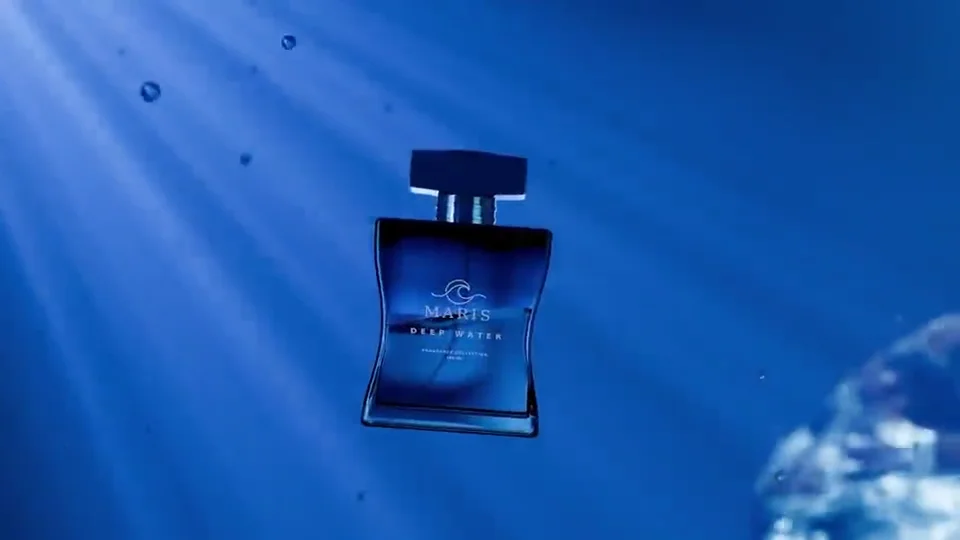
Selected production reference frame from the ZAWISH product CGI reel
Delivery framing
Widescreen composition

Illustrative workflow using reference frames from the ZAWISH product CGI reel. These are production references, not before-and-after outputs from the AI creative suite. Framing guides preview delivery crops; no image generation runs here.

The problem

A campaign-production workflow designed for consistency across many frames.

One strong generated image is not a campaign. A usable production process needs repeatable characters, planned shots, review stages, selective edits, and delivery formats.

ZAWISH made a three-pass workflow that establishes an anchor frame, expands it into directed shots, and prepares reviewable platform formats.

The system

How it fits together.

The script and references guide the director pass and anchor frame. Parallel renders feed masked relighting and campaign-format preparation, with human review throughout.Script + refscharacters · propsDirector passvision LLMAnchor framevisual DNAParallel renders20 framesRelight studiomasked editsCampaign formatsper platform

Scroll sideways to explore the enlarged map.

Read the components

The script and references guide the director pass and anchor frame. Parallel renders feed masked relighting and campaign-format preparation, with human review throughout.

Script + refs
characters · props
Director pass
vision LLM
Anchor frame
visual DNA
Parallel renders
20 frames
Relight studio
masked edits
Campaign formats
per platform

simplified public map of implemented components and boundaries

The build

Three reviewable passes from anchor to delivery.

01

Pass 0, the anchor frame

A run starts by generating one master visual from the user's character and prop references. That frame becomes the visual DNA every subsequent shot inherits, lighting, wardrobe, palette, world.
reference lock
02

Pass 1, a director, not a prompt list

A vision-capable LLM reads the script and the reference images, then writes a complete cinematic paragraph per shot, camera, action, continuity. No keyword soup; language a cinematographer would accept.
vision LLM · structured output
03

Pass 2, planned frames in parallel

Planned shots can render in parallel, each conditioned on the anchor frame plus its own director paragraph and any character references it needs. Parallel frames share the approved visual direction and remain reviewable.
parallel edit-model renders
04

Relighting with painted masks

For product shots, users paint a mask over the region to relight; the edit model transforms only that region under adjustable guidance, cinematic environments without touching the product's geometry.
masked edits · guidance control
05

Files that survive parallel writes

Serverless routes writing shared JSON during 20-way parallel renders corrupt state without discipline, a memory-lock mutex queue serializes writes so concurrent runs do not overwrite each other.
mutex-locked storage

Implementation evidence

Three-pass flowreference, direction, and render stages remain inspectable
Human reviewcreative approval remains a deliberate part of the workflow
Format routingoutput requirements are handled by the pipeline, not prompt memory

Constraint

Teams needed repeatable characters and product treatments across multiple output formats.

Tradeoff

The workflow introduces explicit direction and review passes rather than optimizing for one-click generation.

The public walkthrough illustrates the review method using Studio production references. These images are not outputs from this AI suite; campaign performance is not presented as a client result.

For your business

Discuss a related system.

This case study demonstrates a production method. It does not claim that every visual was delivered for a named client.

Next caseHudood. A social world, built end to end. →

Ask Zawish

Quick answers · the team replies on WhatsApp

Hi, I'm Ask Zawish. I have quick answers about our work, services, Studio films, and CIOS. Anything else goes straight to the team on WhatsApp.

Ask Zawish gives prepared answers from the ZAWISH team, and your questions stay in this browser. Please don't share sensitive personal information.